

Dehumidifier Compressor : Essential Technology for Efficient Moisture Control
October 21, 2024
Exploring DC Compressor
October 21, 2024
Refrigeration Compressor
In the modern world cooling systems are essential to businesses, industries and even homes. Compressors for refrigeration are the main system behind them and warrant that the temperature is controlled and cooling. They are accountable for compressing refrigerant and allowing its circulation throughout the cooling process, thereby keeping the temperature at a desired level for different applications such as air conditioning, refrigeration or industrial air conditioning.
We are ZENGO via our online network Innoref, we deliver quality refrigeration compressors for sale which can be used to meet a wide spectrum of needs, ranging from small refrigerators for the home to huge commercial units for refrigeration. This article will discuss the way that refrigeration compressors function and their various types, advantages of their applications, and why they are crucial for keeping a low-energy cooling system.
What is a Refrigeration Compressor?
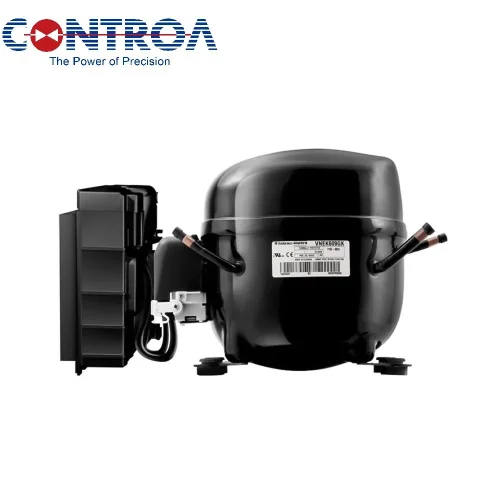
The refrigerator compressor is the main element of every cooling system. Its primary task is to compress the refrigerant and transform it from a gas with low pressure to a high-pressure gas. The pressurized refrigerant is then moved through the condenser, and there it releases heat before changing into liquid. The cycle of refrigeration continues to cool the desired space by taking energy from the. Without a compressor that is functioning the refrigeration system is unable to function efficaciously.
How Does a Refrigeration Compressor Work?
The refrigeration compressor operates by pressing the refrigerant gas, and then forcing it through the refrigerant cycle. Here’s a description of its function:
- Suction Phase The compressor draws low-pressure lower temperature refrigerant vapours out of the evaporator.
- Compression Phase It compresses refrigerant, thereby increasing its temperature and pressure.
- the discharge stage The refrigerant with high pressure is then pumped into the condenser where it cools, and then turns into a liquid dispersing the heat it has absorbed.
- Cycle Continued The refrigerant is returned to the evaporator, to absorb more heat. The cycle continues.
Types of Refrigeration Compressor
Refrigeration compressors are available in a variety of styles, each designed to meet specific cooling needs and applications. Here’s a look at the most popular kinds:
Reciprocating Compressors
They work by using pistons powered by the crankshaft. They are widely employed due to their durability and capacity to handle the wide variety of capacities, refrigerants and refrigerants.
Advantages High durability, the ability to handle various refrigerants and dependable performance.
Applications Domestic refrigerators small commercial coolers and large-sized refrigeration units.
Rotary Compressors
Rotary compressors utilize an oscillating device to pressurize the refrigerant. They are less noisy and more small than compressors that reciprocate. This makes them perfect for environments that need to be quiet. noise.
Advantages Smaller design low noise levels as well as energy efficient operation.
Applications HVAC for homes small commercial systems along with HVAC units.
Scroll Compressors
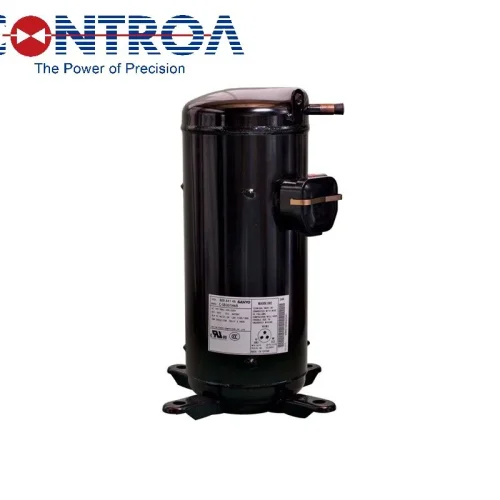
Scroll compressors use two spiral scrolls interleaved for compressing refrigerant. They are renowned for their effectiveness and ease of operation, they are typically used in systems that require reliable long-term performance.
Advantages A smaller number of moving parts, more fluid operation and more quiet performance.
Applications Commercial air conditioners, refrigeration as well as heat pump.
Screw Compressors
Most commonly used in industrial and commercial refrigeration systems, these screw compressors make use of two screws rotating to compress refrigerant. These are great for applications that require continuous operation as well as huge capacity cooling capacity.
Advantages The Advantages are high efficiency for huge-scale processes, continual cooling capabilities and minimal maintenance.
Applications Large chillers, industrial refrigeration along with cold storage and refrigeration facilities.
Centrifugal Compressors
Centrifugal compressors utilize the force produced by the spinning impeller that compresses the refrigerant. They are usually utilized in extremely large systems because they are able to effectively handle large capacity.
Advantages The advantages are high efficiency for huge loads, less moving components, as well as a long service life.
Applications Commercial buildings of large size Industrial refrigeration, large commercial buildings, and district cooling units.
Benefits of Modern Refrigeration Compressors
- Energy Efficiency
One of the greatest benefits in modern refrigeration compressors are their efficiency in energy use. The most advanced compressors, specifically those with inverter technology, can adjust their speed in accordance with the demand for cooling, resulting in less energy waste and lower utility expenses. - Enhanced Temperature Control
Modern refrigeration compressors add precise temperature control that ensures the cooling system is able to maintain the desired temperature while minimizing variations. This is vital for industries which require strict temperature control like pharmaceuticals, food storage, and data centers. - Quieter Operation
Modern compressors, including the scroll and rotary models are built to operate silently and reduce noise for both commercial and residential settings. This is a crucial aspect for office buildings, homes and hotels where a peaceful environment is crucial. - Extended Lifespan and Reliability
Modern refrigeration compressors are designed for long-lasting durability, and have designs that reduce the wear and tear. In decreasing stress on the machine and the accumulation of heat they are able to have longer life spans which require lesser maintenance. - Eco-Friendly Refrigerants
A lot of refrigeration compressors are specifically designed to operate with eco-friendly refrigerants with lower potential for global warming (GWP). This is not just helping businesses comply with regulations, but also aids in lessening the impact on the environment on refrigeration equipment.
Applications of Refrigeration Compressors
- Residential Refrigeration
From freezers to refrigerators, refrigeration compressors used in residential settings assure that food is kept at a proper temperature, keeping freshness intact and prevents spoilage. They’re designed for silent operation as well as energy efficient and are therefore ideal for residential use. - Commercial Refrigeration
Commercial compressors for refrigeration are crucial for companies that require to keep huge quantities of their products cool. Restaurants supermarkets, convenience stores, and even grocery stores depend upon refrigeration compressors in order to keep perishable items fresh. Compressors that are energy efficient can help businesses reduce their operating expenses while also ensuring their reliability. - Industrial Refrigeration
Large-scale industrial refrigeration, like ones used in food processing facilities or pharmaceutical storage need compressors that are able to handle huge load of cooling. Centrifugal and screw compressors are typically employed in these settings to ensure that temperatures remain at a consistent temperatures and avoid contamination or spoilage. - HVAC Systems
Refrigeration compressors can also be found to power HVAC, ventilator as well as air conditioning (HVAC) systems, offering cooling in commercial and residential settings. Compressors that scroll and rotate are primarily preferred for HVAC applications because of their low noise and high efficiency. - Automotive and Marine Refrigeration
Air conditioning systems for vehicles use smaller refrigeration systems to cool the interiors of cars. Similarly, marine refrigeration compressors are found in boats and yachts, ensuring that temperature-sensitive cargo and equipment are kept cool even at sea.
FAQs
- What’s the most commonly used sort of refrigerator compressor? The most popular kinds are reciprocating compressors because of their flexibility and capability to manage an array of different uses that range from small refrigerators for domestic use to massive commercial units.
- How frequently should compressors for refrigeration be maintained? Refrigeration compressors need to be maintained every year to assure the highest performance. Regularly checking for refrigeration levels, electric connections and system pressure can increase the lifespan of the compressor.
- What are inverter compressors and how can they boost efficiency in energy use? Inverter compressors have the ability to alter their speed in accordance with demand for cooling, unlike conventional compressors, which run in a constant speed. This permits for substantial energy savings because the compressor won’t operate at its maximum capacity when not required.
- Can the compressor of a fridge be changed without having to replace the entire system? In many instances compressors can be replaced with no need to replace the whole system. It is important that you warrant that it is in sync with current system.
- How should I pick the appropriate compressor for my refrigeration system? Selecting the right compressor will depend on factors like how big the refrigeration system, the cooling load as well as the desired efficiency and the operating environment. Talking to experts, such as ZENGO’s ZENGO will assist you in determining which is the excellent option for your requirements.
- What is the environmental impact of refrigeration compressors? The latest refrigeration units are made to use eco-friendly refrigerants, thereby reducing their environmental footprint. Compliant compressors with refrigerants that have low-GWP assist in complying with stringent environmental standards and decrease carbon footprints.
Conclusion
Refrigeration compressors are crucial elements in any cooling system. They ensure that the system is operating effectively silently, energetically, and with a high degree of reliability. No matter if you require an air compressor for an ordinary refrigerator or a commercial freezer or an industrial-sized cooling system, investing in the best refrigeration compressor will increase efficiency as well as save energy and lower the cost of maintenance over time.


 English
 French
 Spanish
 Arabic
 German
 Hindi
 Russian
 Portuguese
 Japanese
 Korean
 Indonesian
 Bengali
